
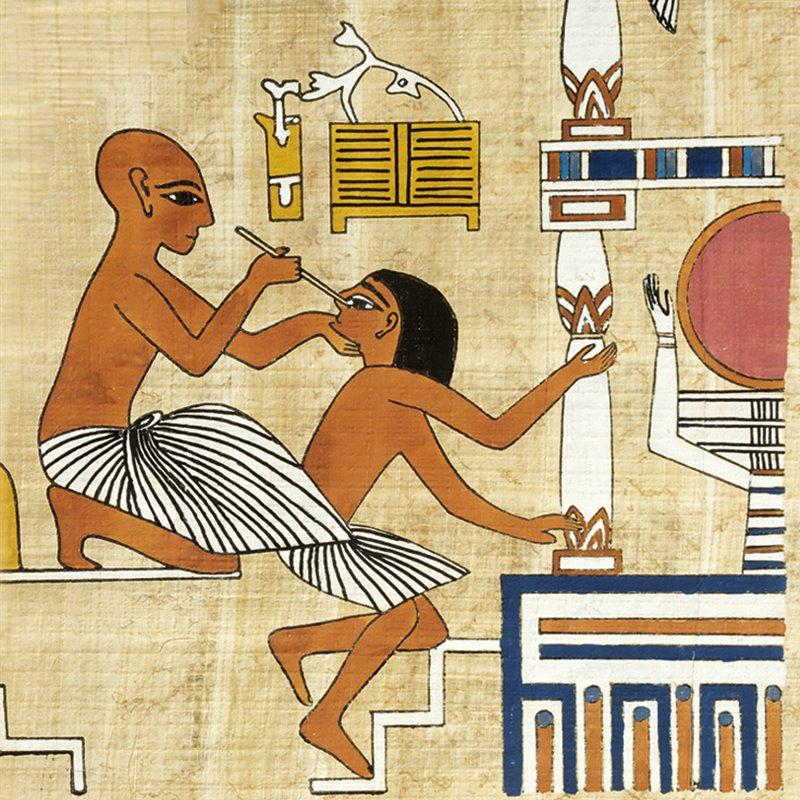
How the human hand became one of the oldest symbols of comfort, connection, and healing.
Long before massage therapy became a profession, before wellness centers and therapeutic techniques, human beings were using their hands to comfort, soothe, and care for one another.
The human hand has always represented something extraordinary. It can nurture, protect, communicate, and provide comfort without saying a word.
But just how far back does our relationship with healing through touch go?
The answer may surprise you.
Archaeological discoveries suggest that humans were creating images of their hands on cave walls more than 67,000 years ago. Across ancient civilizations, the hands would continue to appear in healing traditions, spiritual practices, medicine, and eventually the development of massage.
This is a journey through one of humanity’s oldest connections: the relationship between the human touch and the desire to heal.
The Earliest Evidence: Hands on Cave Walls 67,800 Years Ago
Imagine entering a cave and discovering the outline of a human hand left behind more than 67,000 years ago.
This is not imagination. It is archaeological evidence.
In January 2026, researchers published a remarkable discovery in the scientific journal Nature. A hand stencil found in Liang Metanduno Cave on Muna Island, Indonesia, was dated to at least 67,800 years ago.
Ancient Egypt: The Hands of Medicine
Thousands of years later, ancient Egyptian civilization developed sophisticated approaches to medicine and physical care.
Egyptian medical papyri, including the Ebers Papyrus (approximately 1550 BC), document treatments, remedies, and medical knowledge.
Touch, physical manipulation, and massage-like practices were part of the broader world of ancient healing.
The hands of the practitioner were essential instruments in caring for the body.
Ancient Egyptian culture also associated the hands with protection, spiritual symbolism, and divine power.
The connection between physical care and spiritual well-being would continue throughout human history.
Ancient India: The Connection Between Touch and Life Energy
In ancient India, traditional healing systems developed a deep relationship between the body, mind, and the concept of life energy.
Ayurveda, an ancient Indian system of health and wellness, incorporated massage, oils, and therapeutic touch.
The concept of prana, commonly understood as life force or vital energy, became an important part of Indian philosophical and healing traditions.
Traditional Ayurvedic practices included Abhyanga, a form of therapeutic oil massage involving rhythmic movements and intentional touch.
These traditions emphasized the importance of caring for the whole person rather than viewing the body as a collection of separate parts.
This holistic perspective continues to influence many contemporary massage and wellness practices.
Ancient Greece: The Art and Science of Healing
In ancient Greece, healing developed into an increasingly organized practice.
Asclepius, the Greek god of medicine, became the central figure in healing temples known as Asclepieia.
People traveled to these sanctuaries seeking relief from illness and suffering.
Their healing experiences could include rest, bathing, exercise, ritual practices, and other forms of physical care.
Greek physicians, including Hippocrates, recognized the importance of physical manipulation and massage.
The use of rubbing and movement was incorporated into early approaches to caring for the body.
An important historical shift was taking place: touch was becoming part of an evolving understanding of physical health and therapeutic treatment.
The Laying on of Hands: A Spiritual Healing Tradition
The relationship between hands and healing also became deeply embedded in religious traditions.
In the New Testament, accounts of Jesus healing the sick frequently describe physical touch and the laying on of hands.
This practice became an important part of early Christian traditions and continues in various religious communities today.
The hands represented compassion, blessing, comfort, and the desire to bring relief to another person.
Although spiritual healing and therapeutic massage are different practices, both reflect humanity’s longstanding association between touch and caring for others.
From Ancient Healing to Modern Massage Therapy
Over centuries, different cultures continued to develop their own approaches to massage and physical healing.
Traditional Chinese practices incorporated massage techniques such as Tui Na and Bian Stone.
Indian Ayurvedic traditions continued to emphasize oil massage.
European practitioners developed and refined massage techniques, eventually contributing to modern therapeutic massage.
Today, massage therapy is an established profession with a wide variety of modalities, techniques, and specialized applications.
For massage therapists, understanding this history provides an appreciation for the significance of their work.
They are participating in a tradition of human touch that reaches back thousands of years.
The Next Chapter: The Evolution of Stone Massage
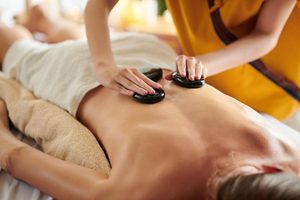
One particularly interesting development in the history of therapeutic touch is the use of heated stones.
Across different cultures, stones have held significance as tools, natural materials, and objects associated with warmth and physical care.
Modern hot stone massage brings together the therapeutic use of touch with the application of carefully heated stones.
Basalt stones are particularly popular because they retain heat well and have naturally smooth surfaces.
When incorporated into massage by a properly trained therapist, heated stones can provide soothing warmth and complement traditional massage techniques.
The experience combines several elements:
- The skilled hands of a massage therapist.
- The comforting sensation of warmth.
- The smooth surface and weight of natural stones.
- Intentional movements designed to promote relaxation.
- An opportunity for the recipient to slow down and reconnect with their body.
Stone massage represents an interesting continuation of humanity’s longstanding relationship with touch, warmth, and physical comfort.
While modern stone massage is a contemporary therapeutic modality rather than a practice we can trace directly to prehistoric cave paintings, it shares a common human theme: the use of physical contact to provide comfort and care.
Why the Human Touch Still Matters
In an increasingly technological world, the importance of human connection has not disappeared.
A reassuring hand on someone’s shoulder, a comforting touch, or the skilled hands of a massage therapist can communicate something that words sometimes cannot.
Research into massage and therapeutic touch continues to explore their effects on relaxation, stress, pain, and overall well-being.
For massage professionals, this makes continuing education particularly valuable.
Understanding the origins of touch-based practices, exploring new modalities, and developing advanced therapeutic skills can help therapists continue to grow professionally.
The history of healing through touch is not simply a story about the past. It is a tradition that continues to evolve.
A Tradition That Continues Through Our Hands
More than 67,000 years ago, someone placed a hand against a cave wall and left an image that would survive for generations beyond anything they could have imagined.
We may never know exactly what that person intended to communicate.
But throughout the centuries that followed, the human hand would become an enduring symbol of compassion, connection, physical care, and healing.
From ancient healing traditions to modern massage therapy, the hands remain at the center of an extraordinary human story.
And today, massage therapists continue that tradition every time they place their hands on a client with knowledge, intention, and care.
At StoneHealing.com, we believe that understanding the history of therapeutic touch helps us appreciate where our profession began, how far it has evolved, and the exciting possibilities that lie ahead.
The hands have been part of humanity’s story for thousands of generations. The next chapter belongs to us.
Continue Your Journey in Stone Massage
Interested in expanding your massage skills and exploring specialized stone massage techniques?
Explore the educational resources and continuing education courses at StoneHealing.com, where massage professionals can discover new approaches to therapeutic stone work and continue developing their professional expertise.